Craig Love “Strange Vacation”
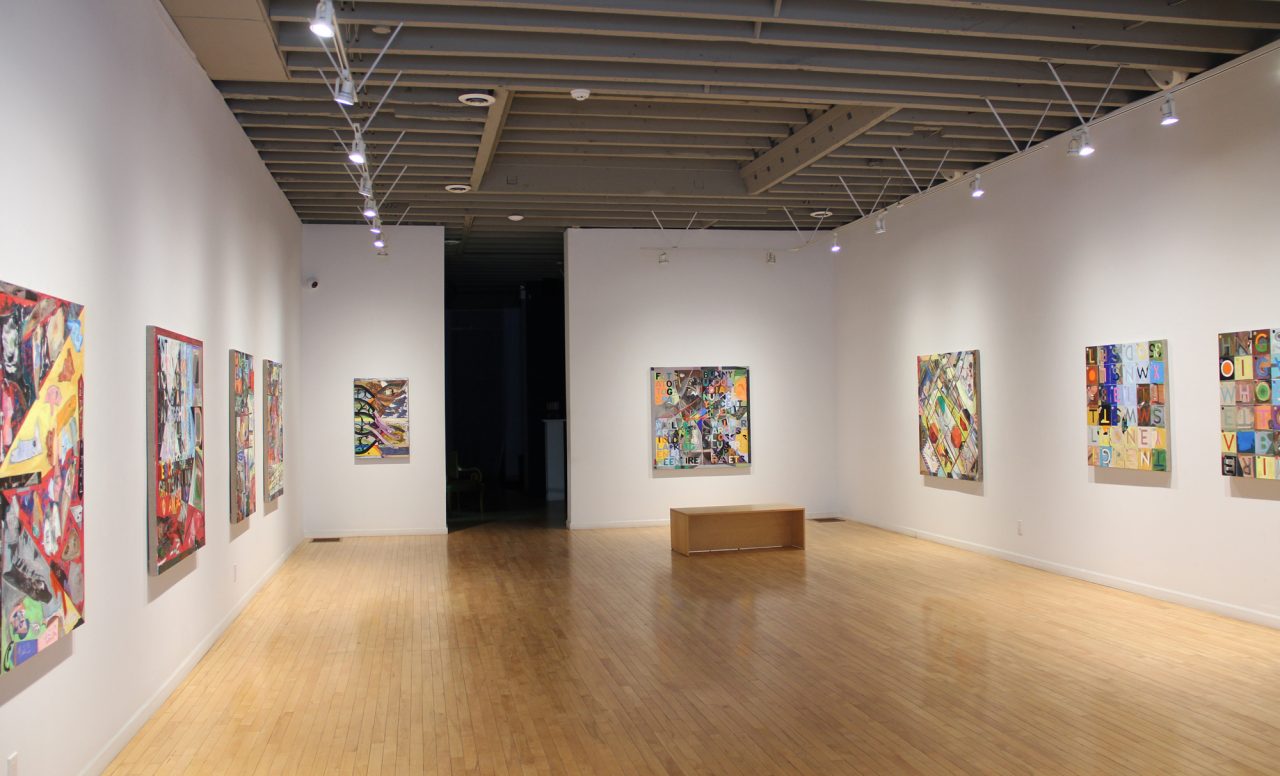
Craig Love
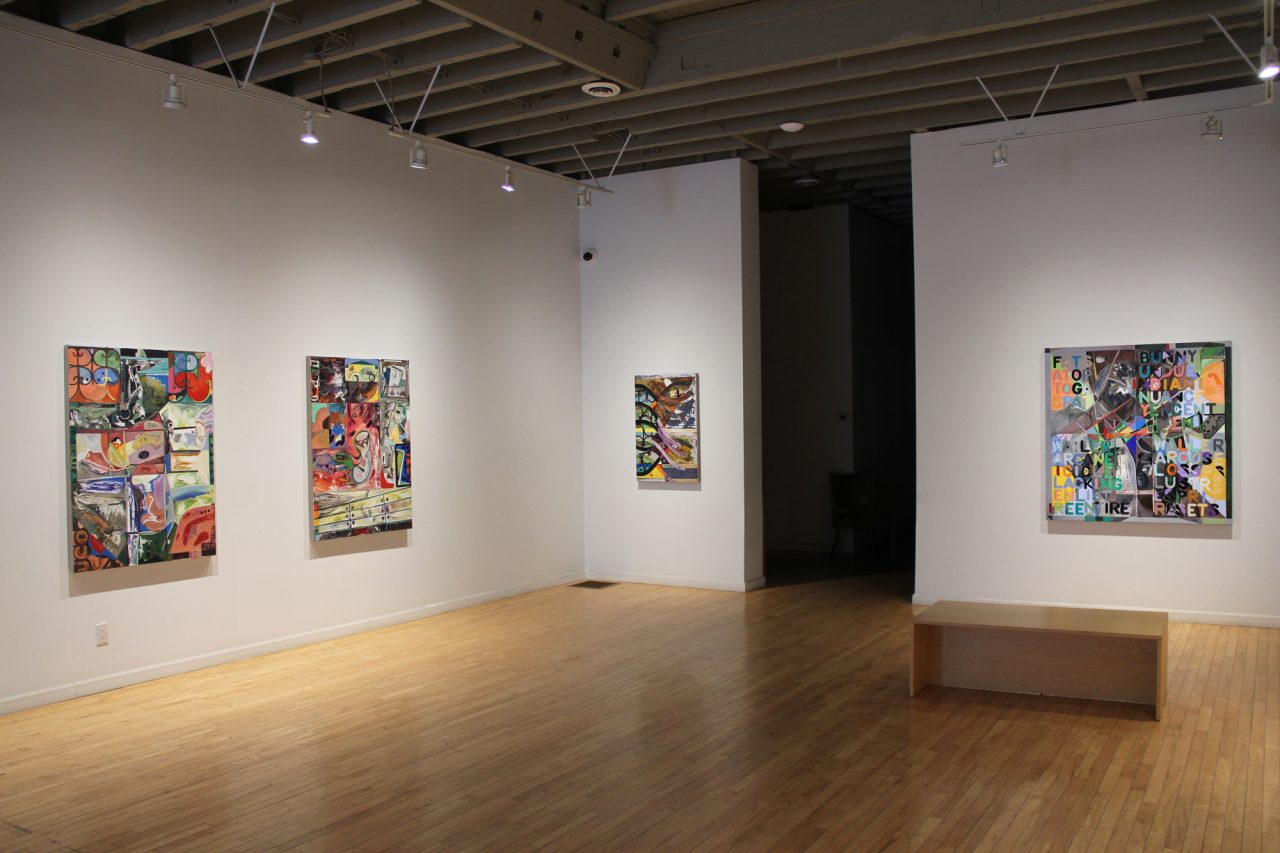
Gallery Installation View
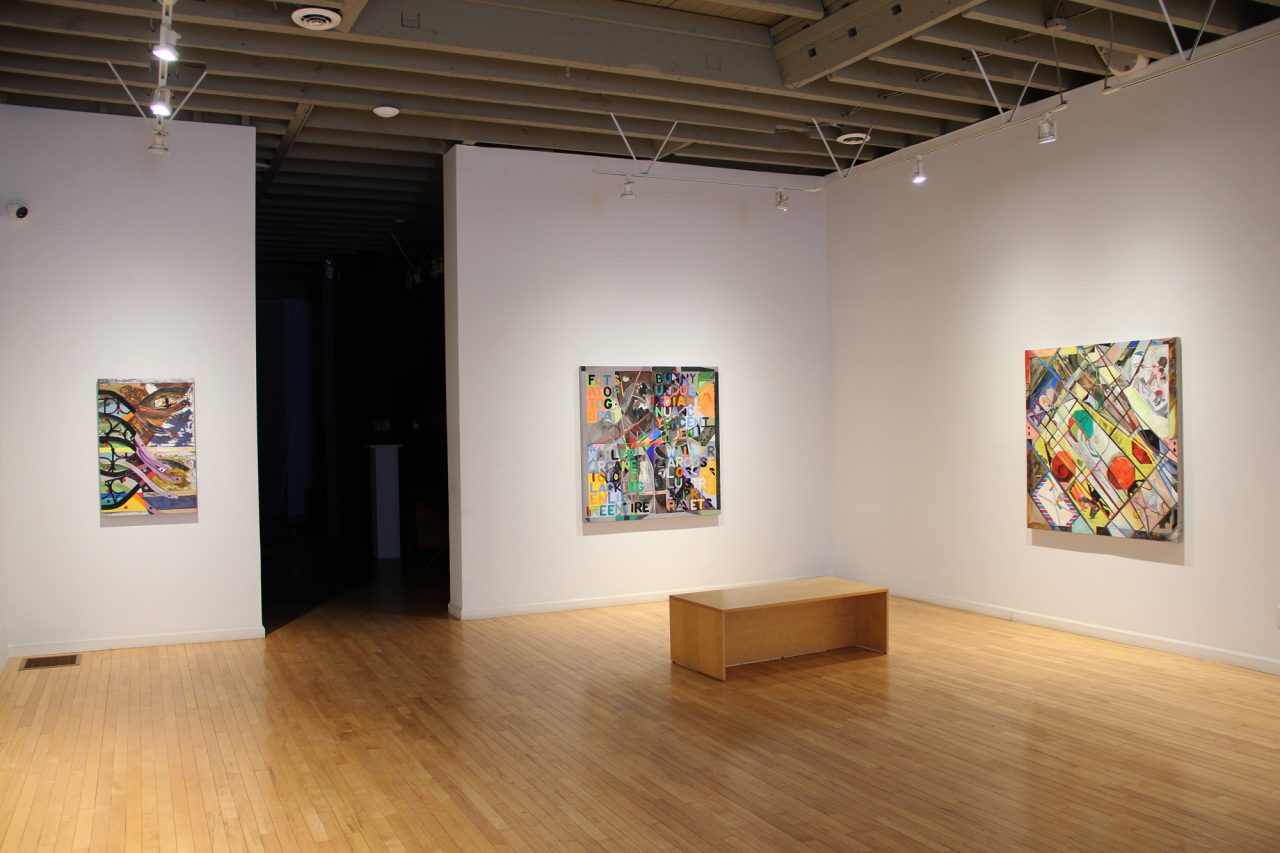
Craig Love
Gallery Installation View
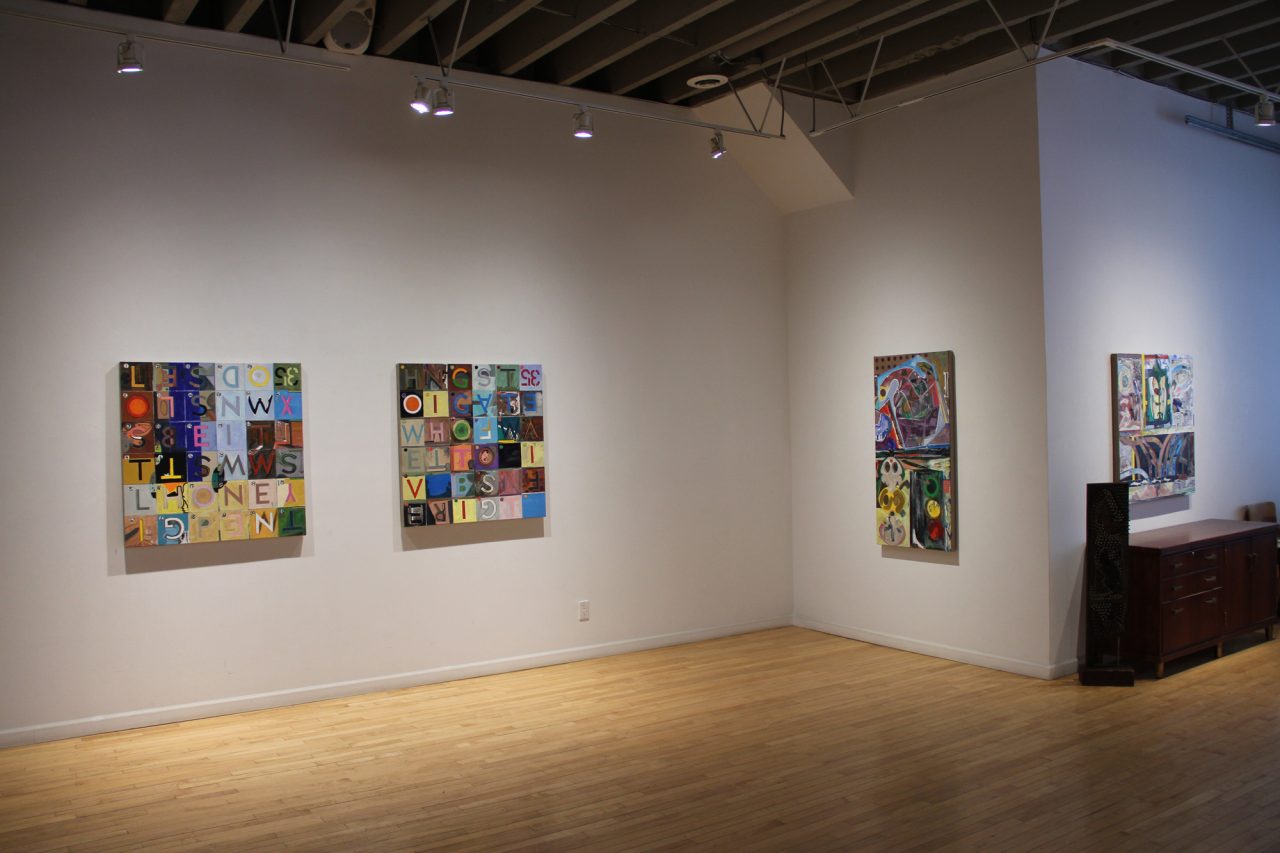
Craig Love "Strange Vacation"
Gallery Installation View
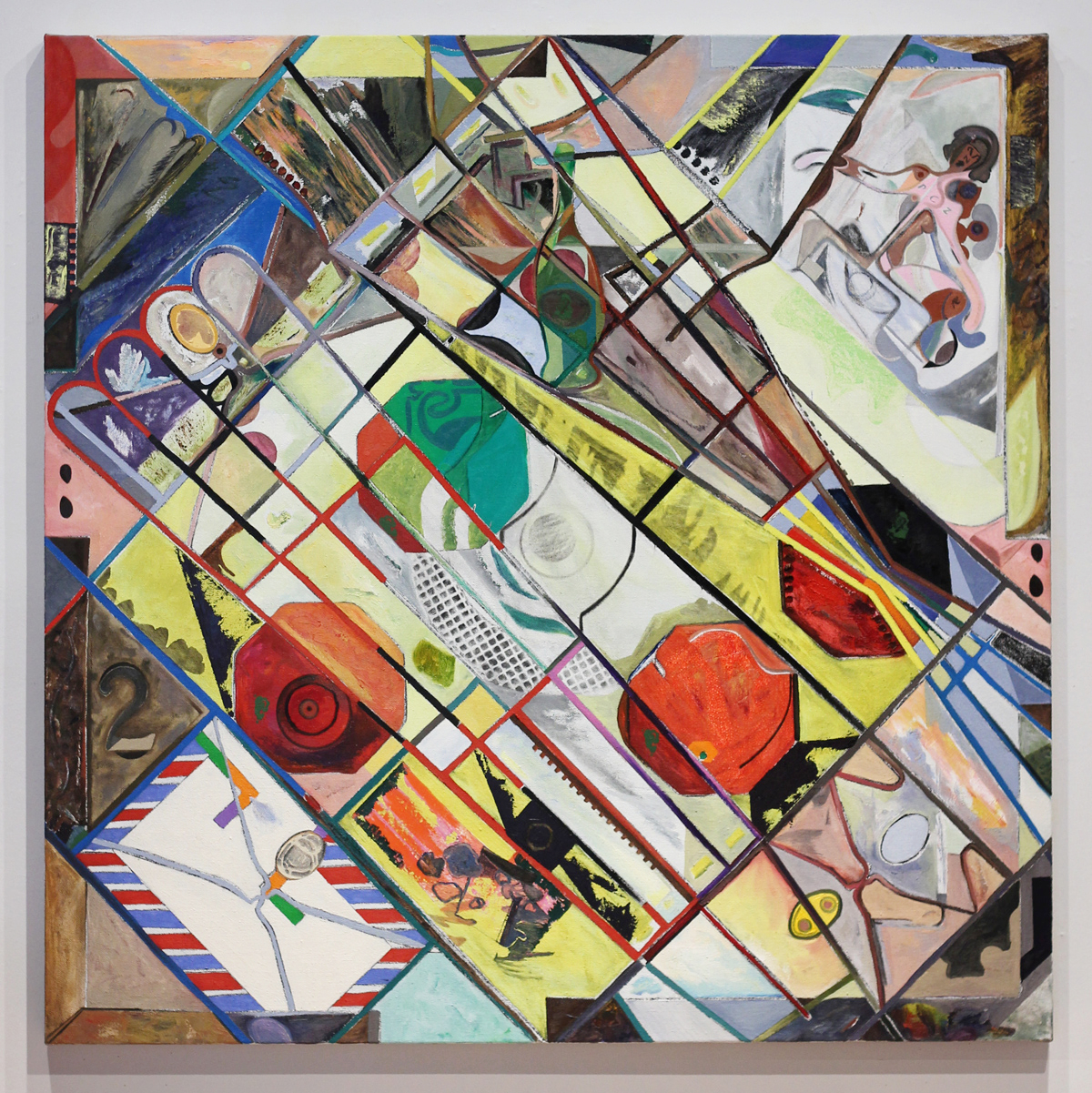
PC Postcard, 2026
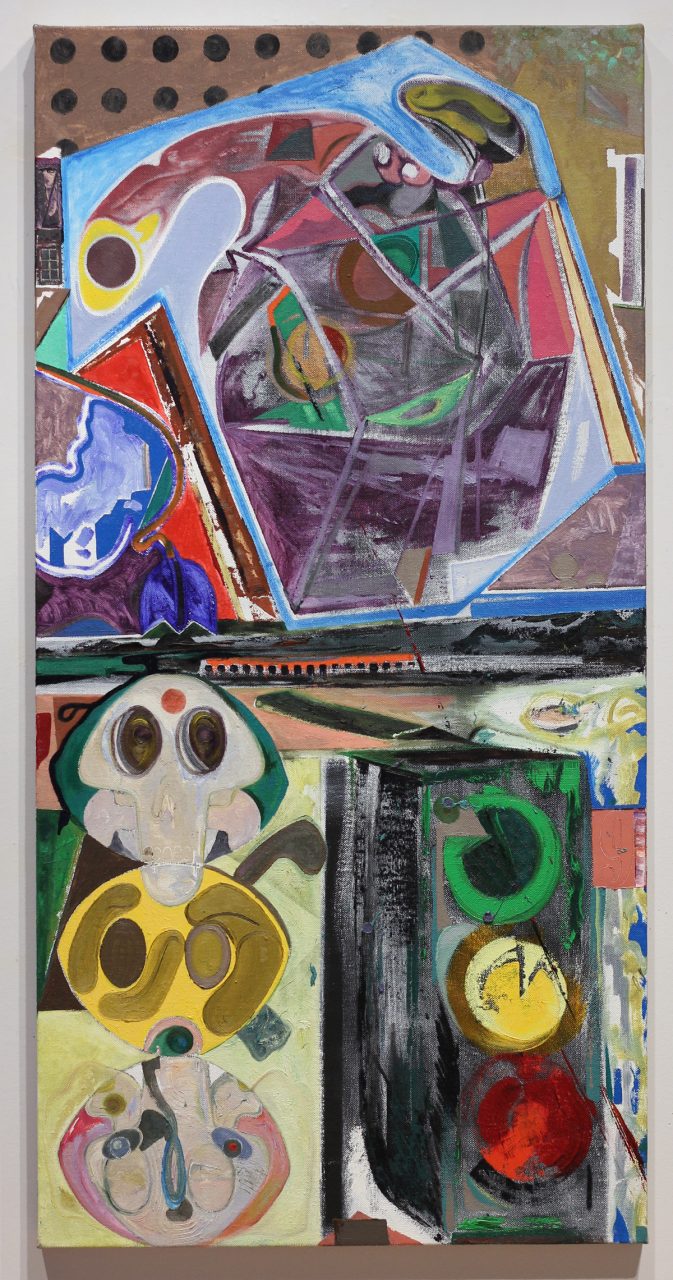
Craig Love
Stop and Go (9), 2026
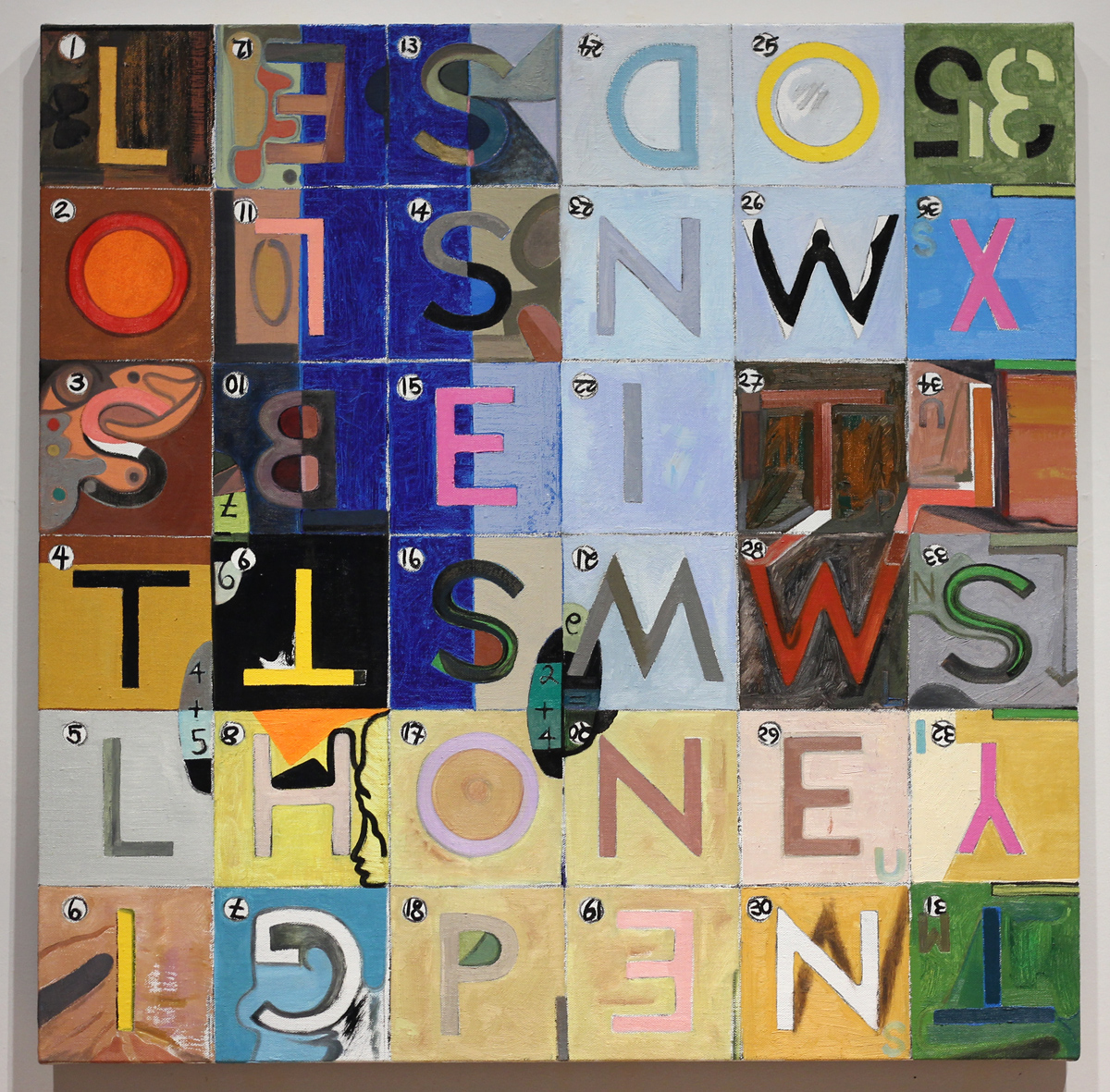
Craig Love
Lost Light – Plus / Minus, 2025
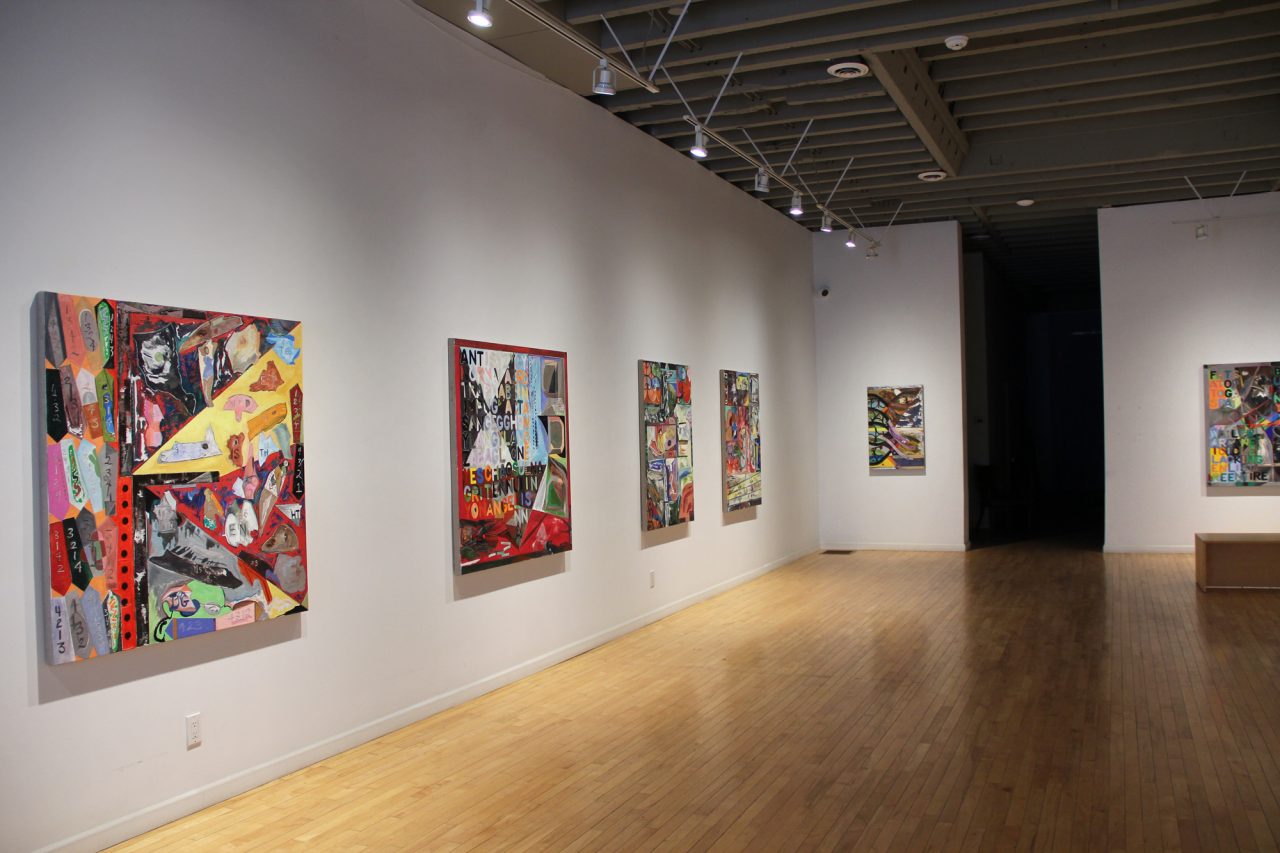
Craig Love "Strange Vacation"
Gallery Installation View
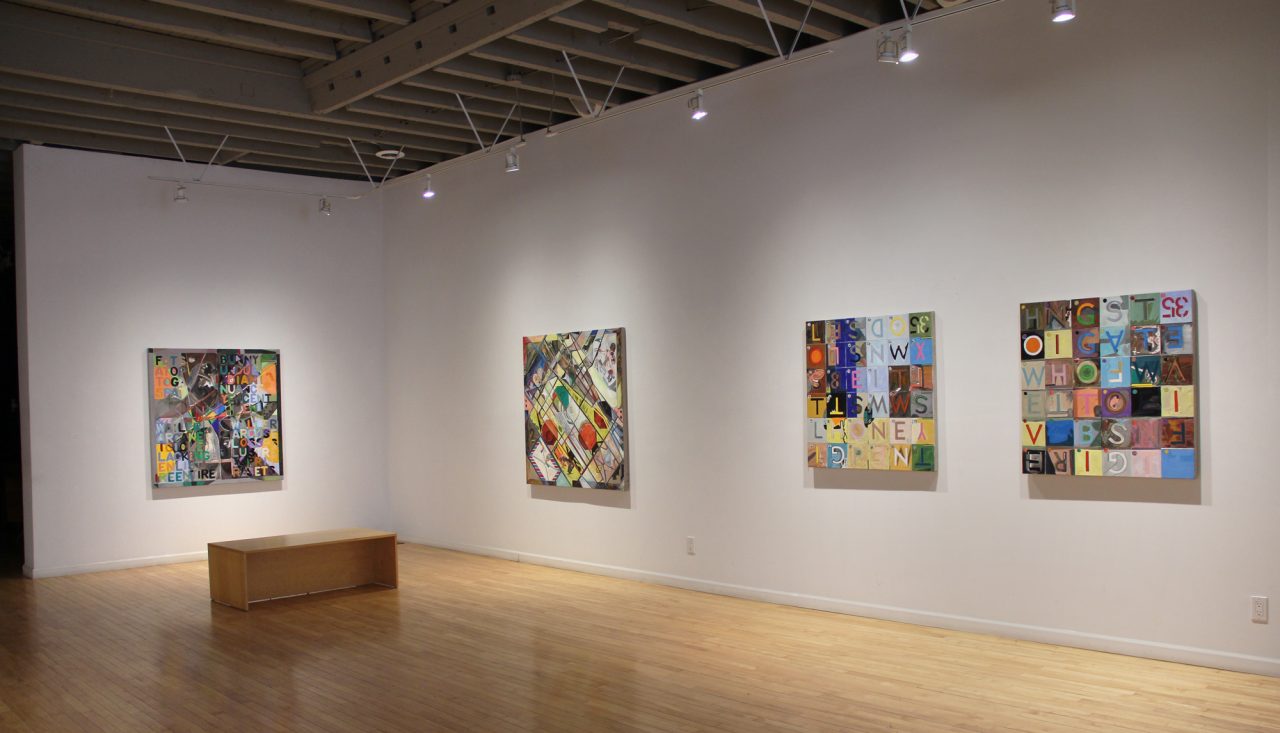
Craig Love "Strange Vacation"
Gallery Installation View
Craig Love "Strange Vacation"
Gallery Installation View
Craig Love
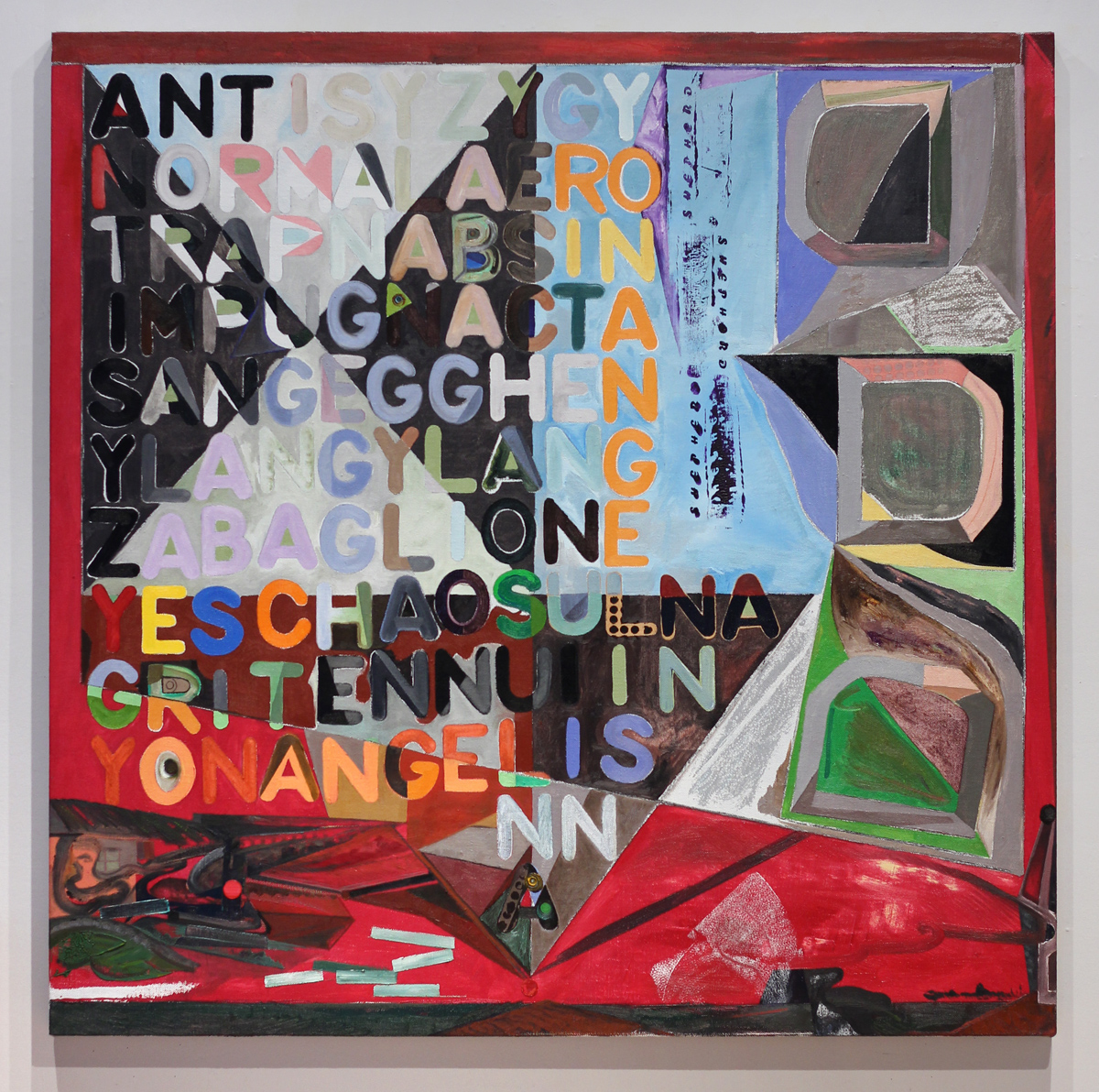
The Living Mountain, 2026
Craig Love
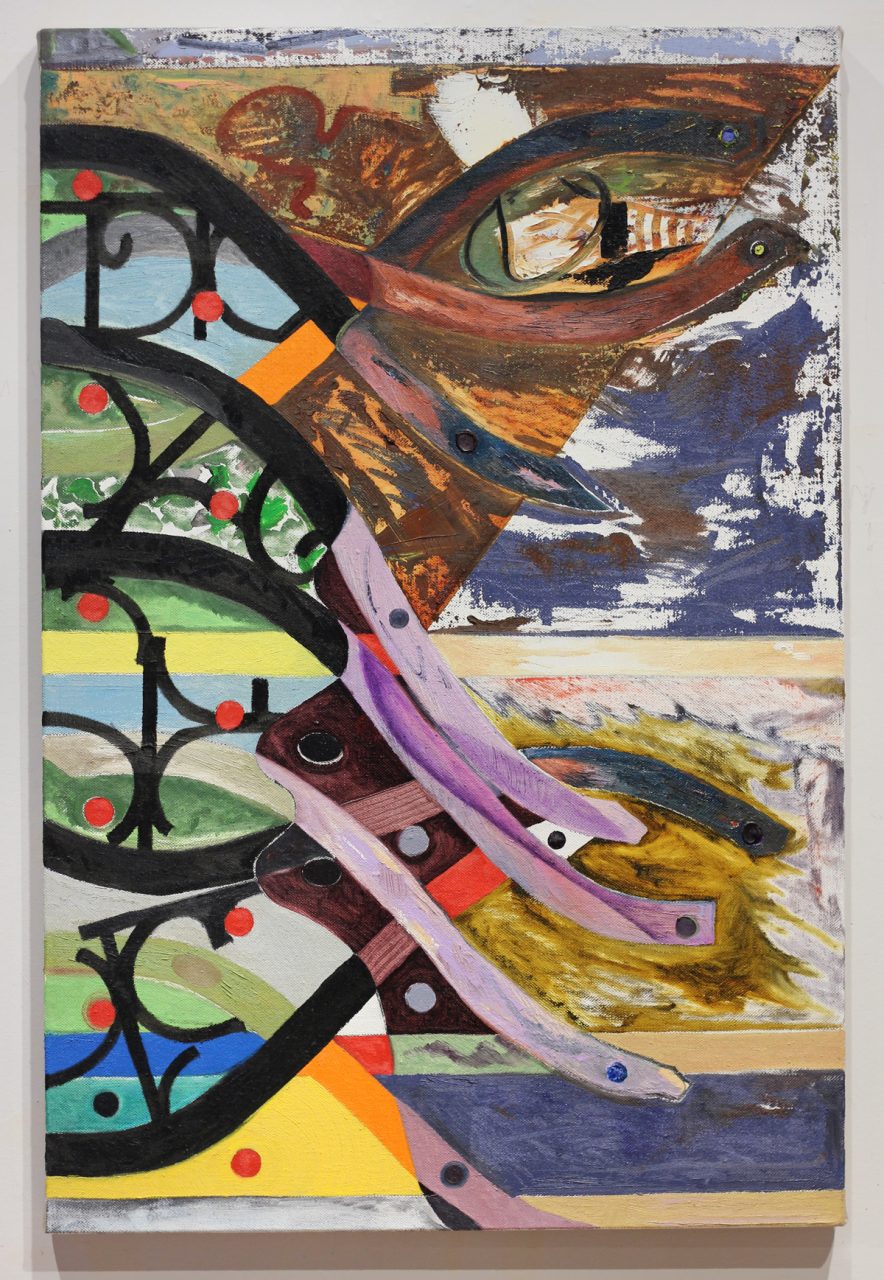
Heraclitus’ Footbridge, 2025
Craig Love "Strange Vacation"
Gallery Installation View
Craig Love
Gallery Installation View
Craig Love
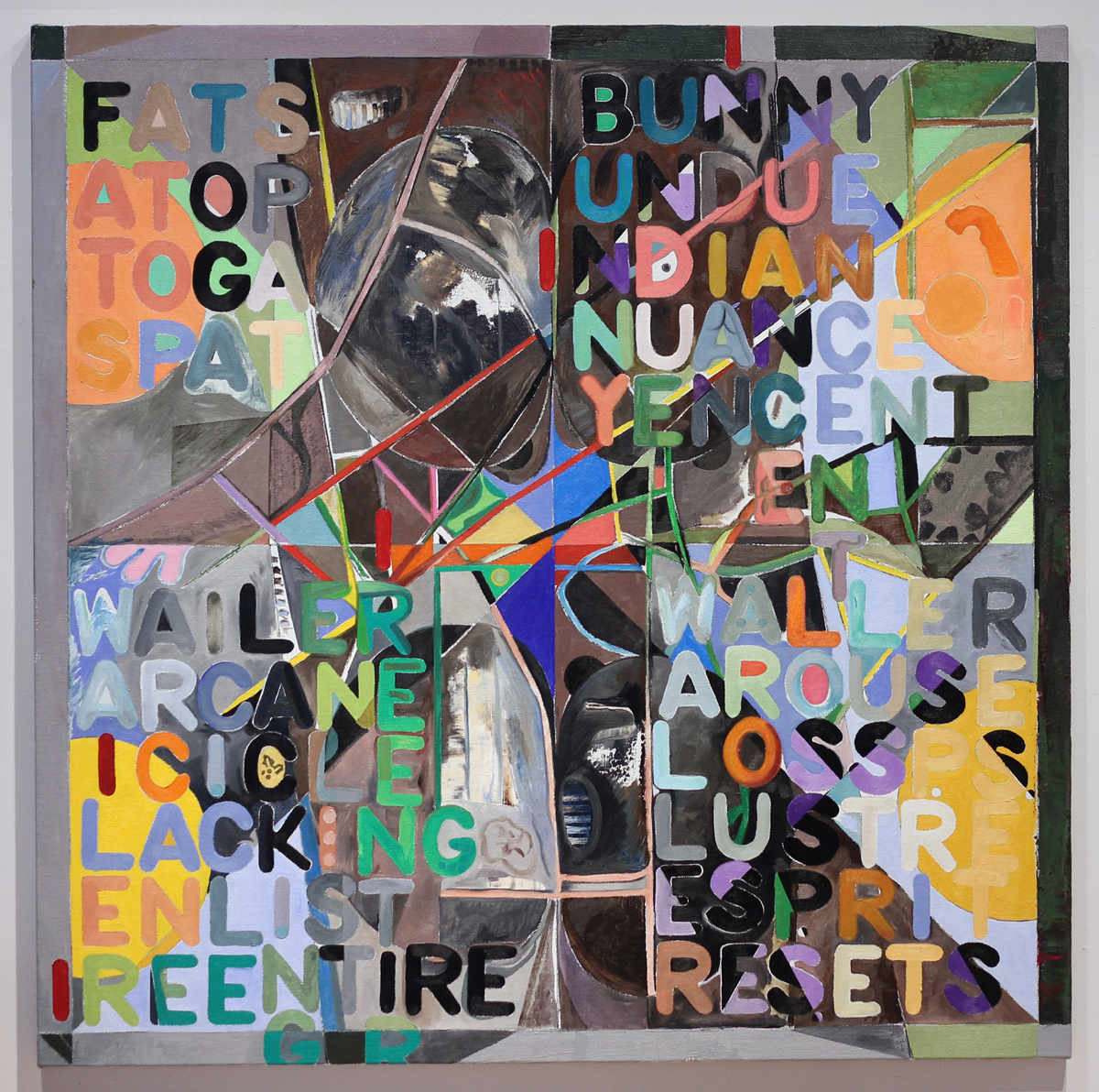
Double Portrait, 2026
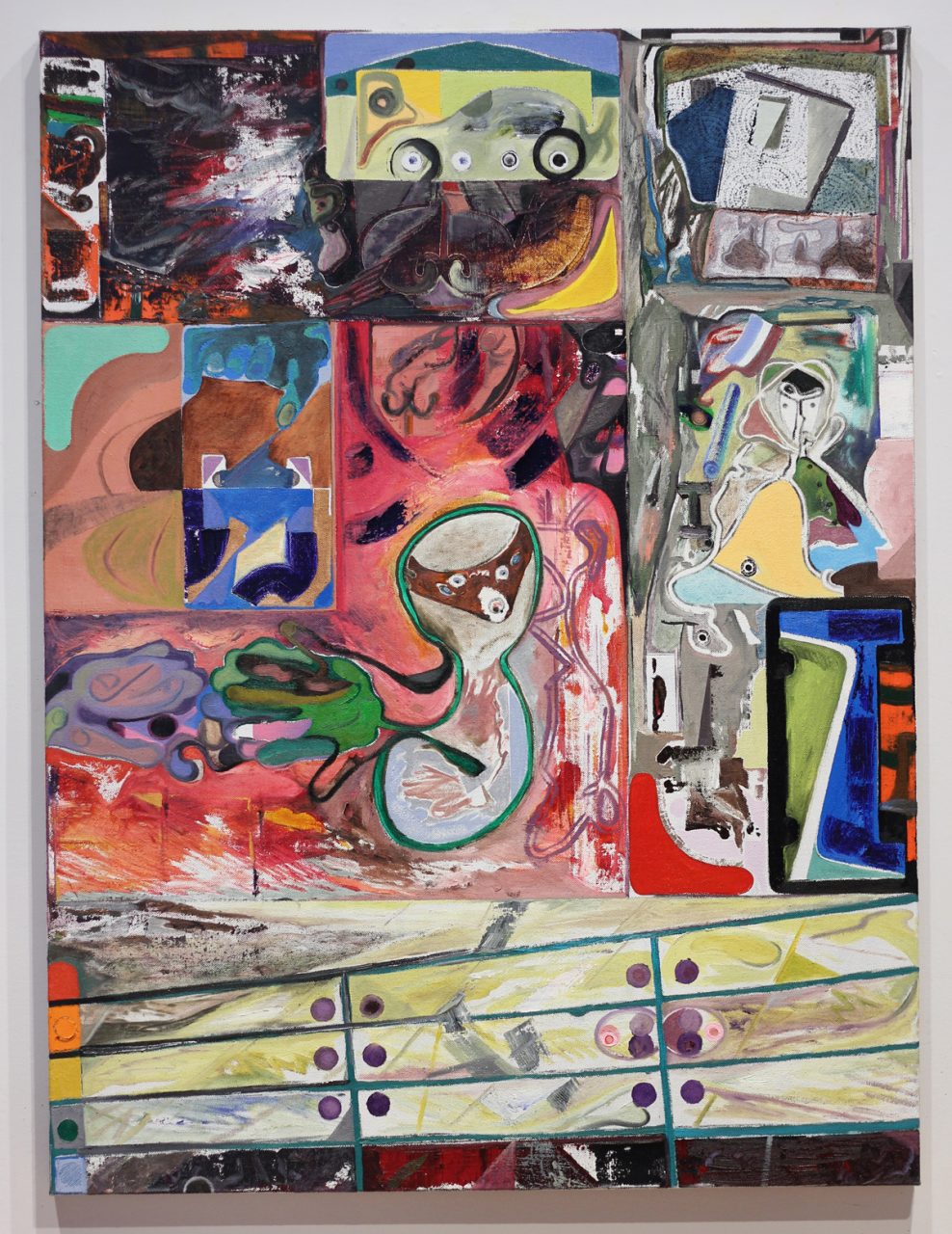
Modern Midden, 2025
Craig Love
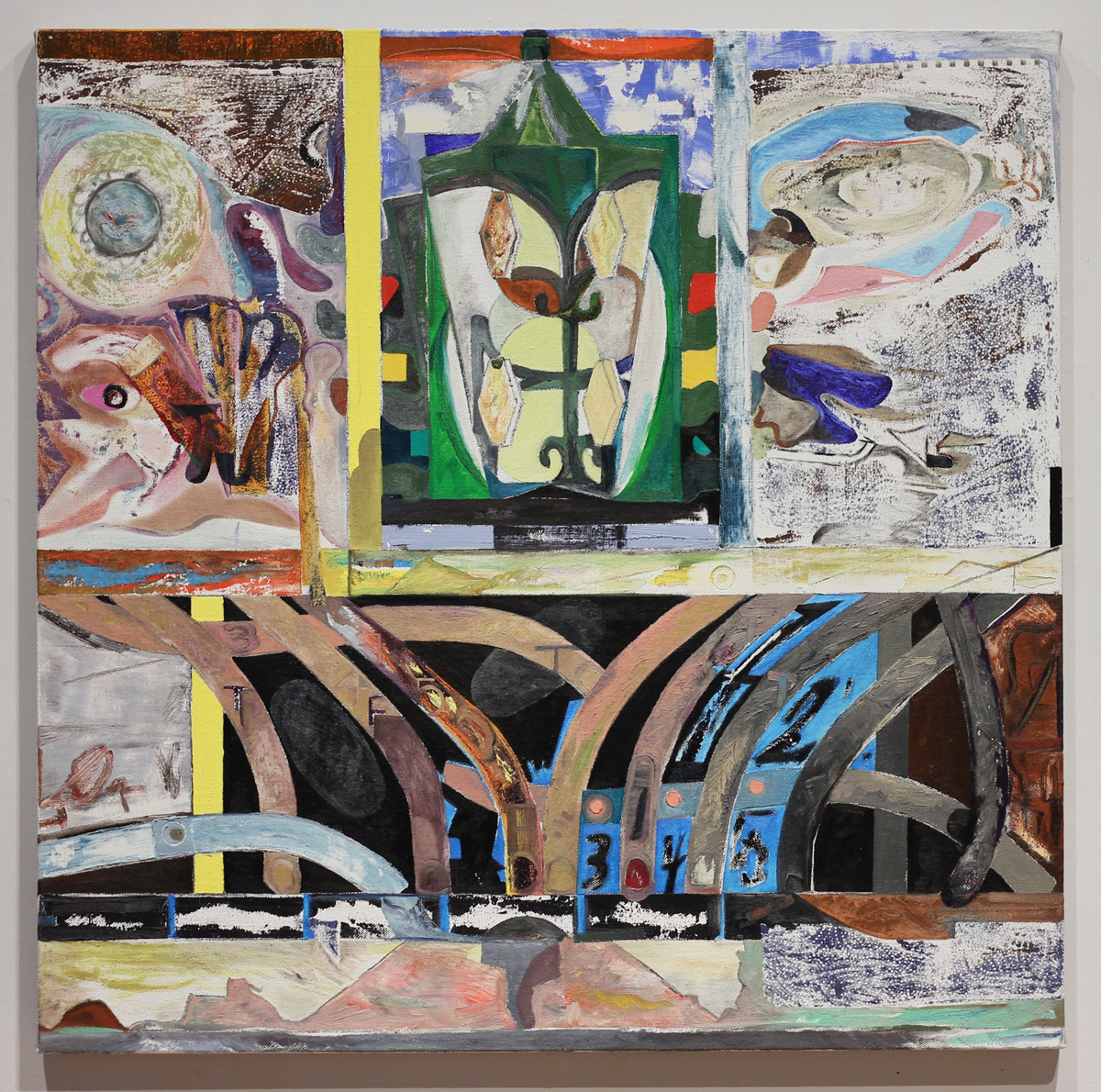
Post-Faustian Gaslighting, 2026
Craig Love "Strange Vacation"
Gallery Installation View
Craig Love "Strange Vacation"
Gallery Installation View
Craig Love
Forthright, 2026
Craig Love
T-Zone, 2026
Craig Love
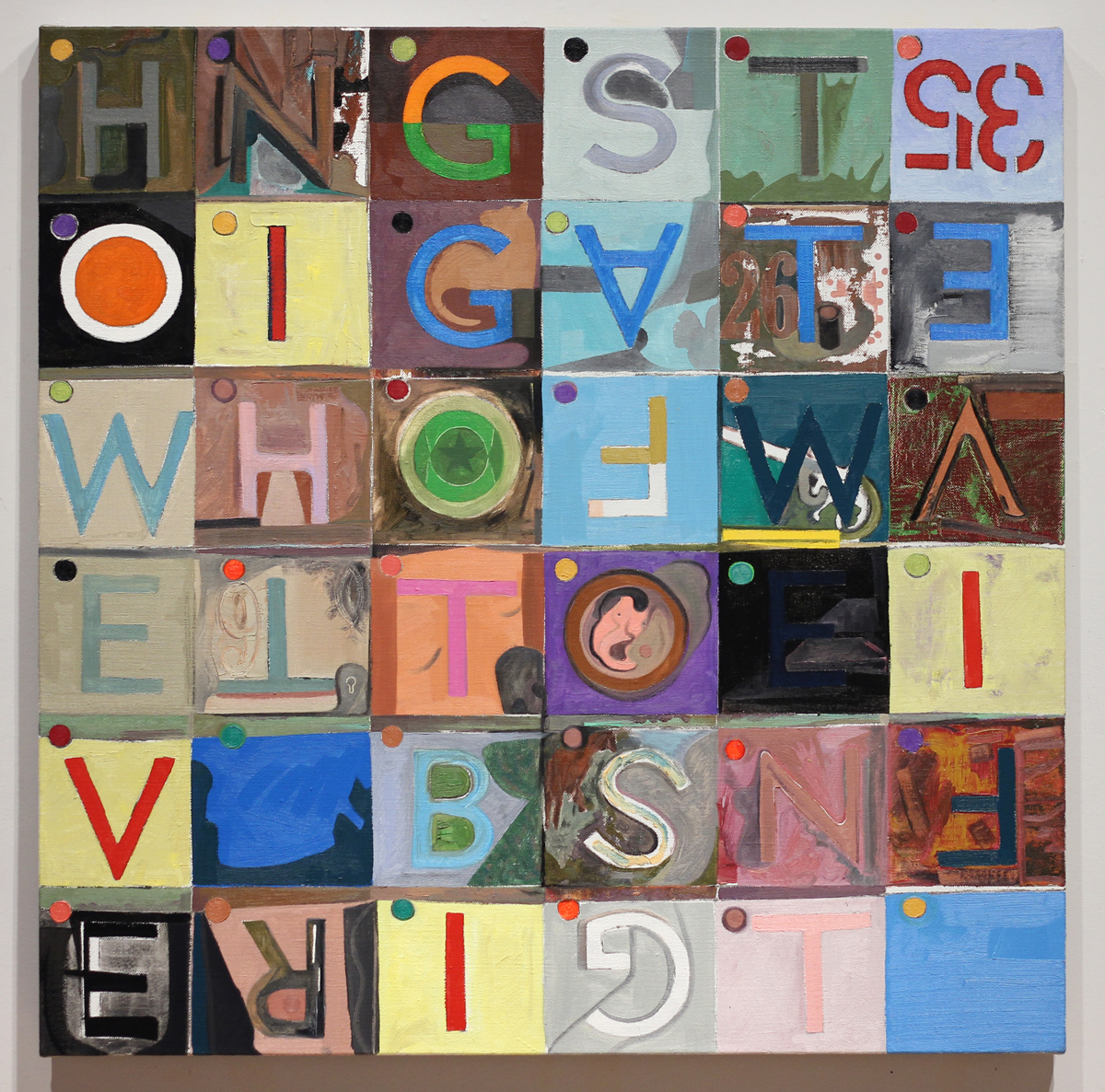
Blue Gate / Red Eight, 2025
Craig Love “Strange Vacation” May 16 – June 26
We are excited for Craig Love’s current solo show at the gallery, his first at MGG. We met Love this past summer on a trip to Winnipeg. Tragically, Love was one of the artists who lost his entire history of artworks in the infamous studio warehouse fire in 2019. Now in a concrete studio building, Love has reignited his passion for painting. During our studio visit we were drawn into his richly layered paintings, their exploration of space, the familiar yet not so familiar imagery and the animated colour.
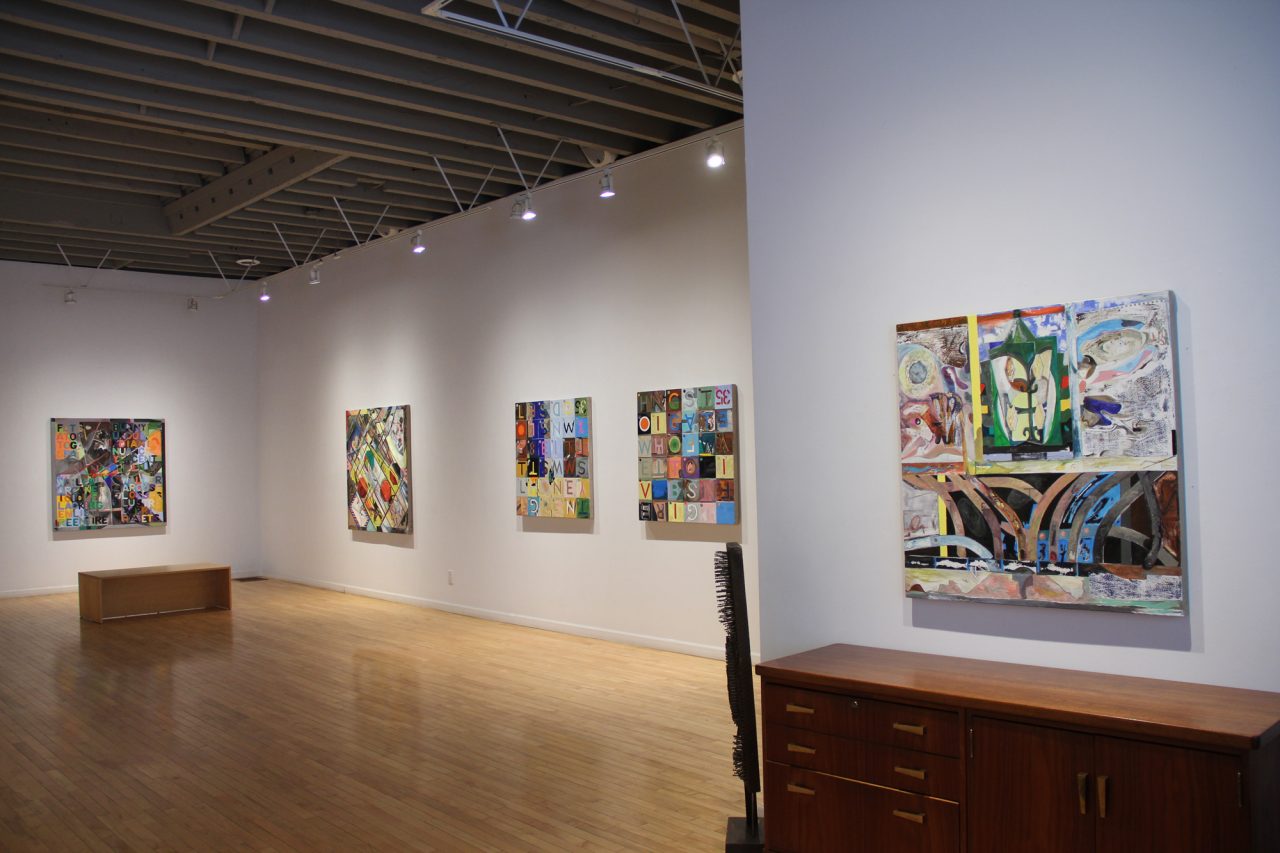
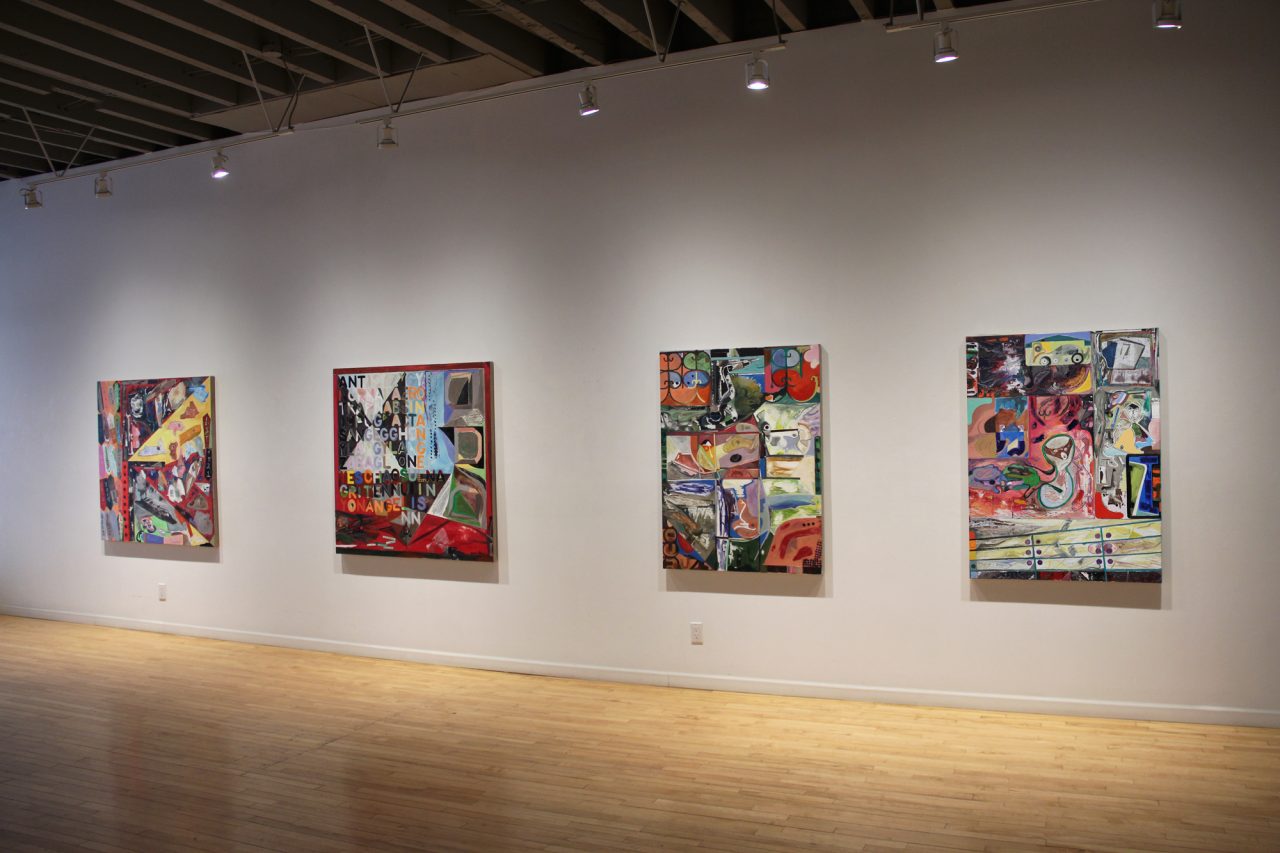
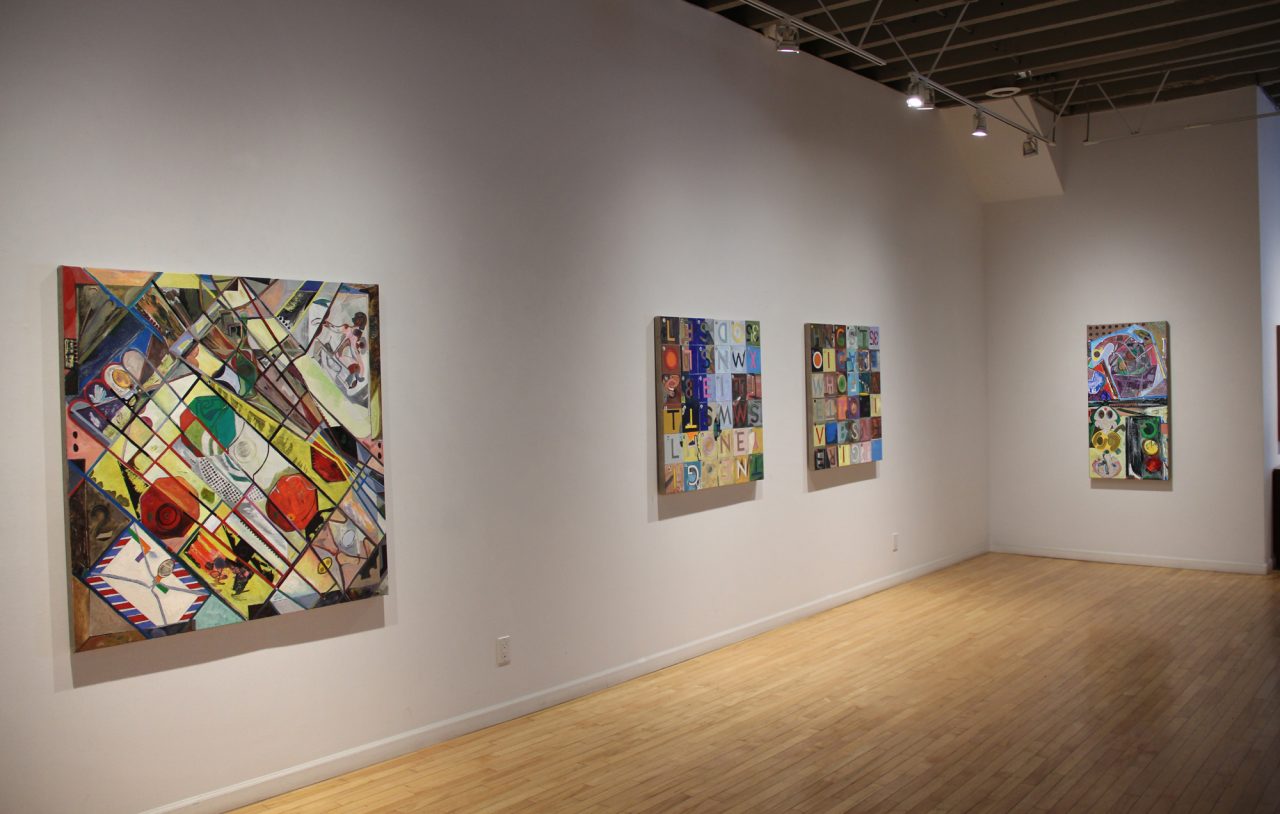
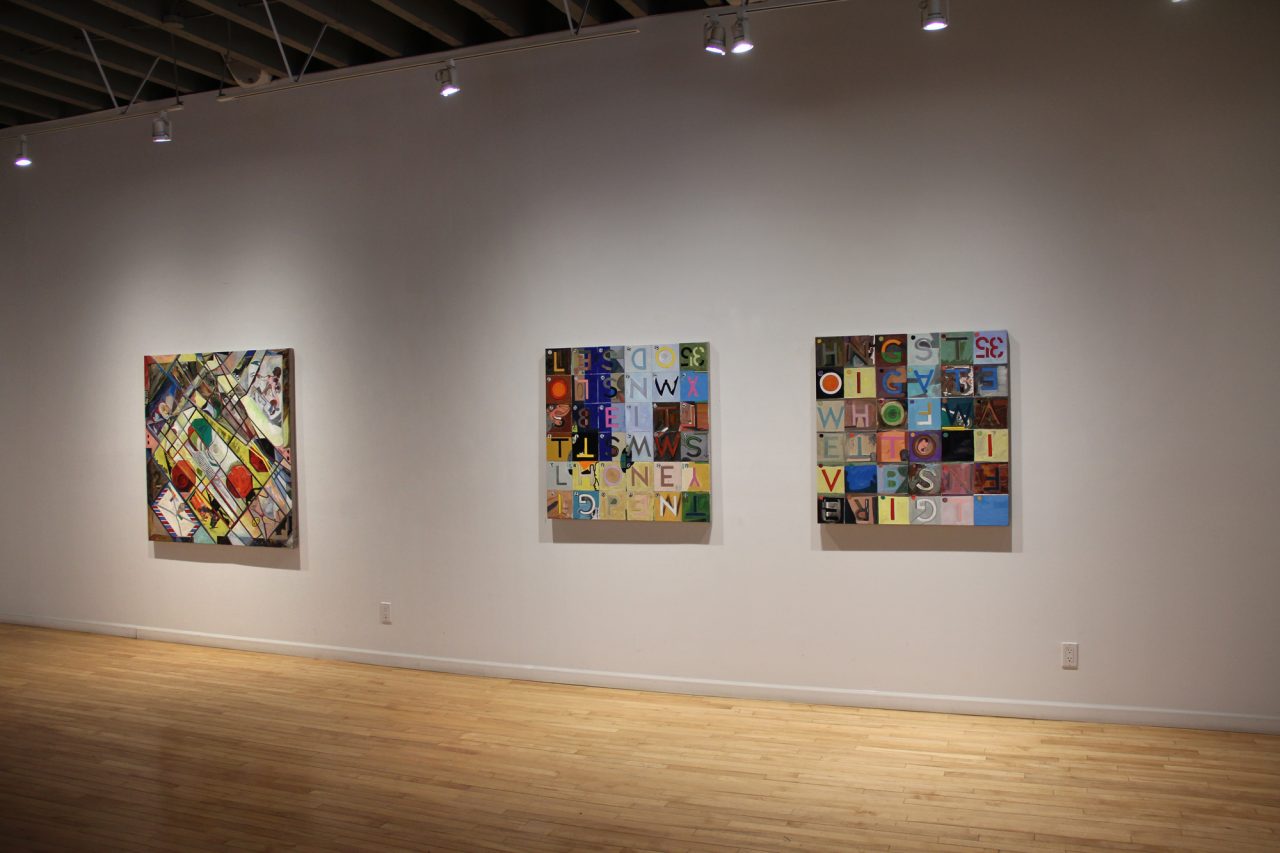
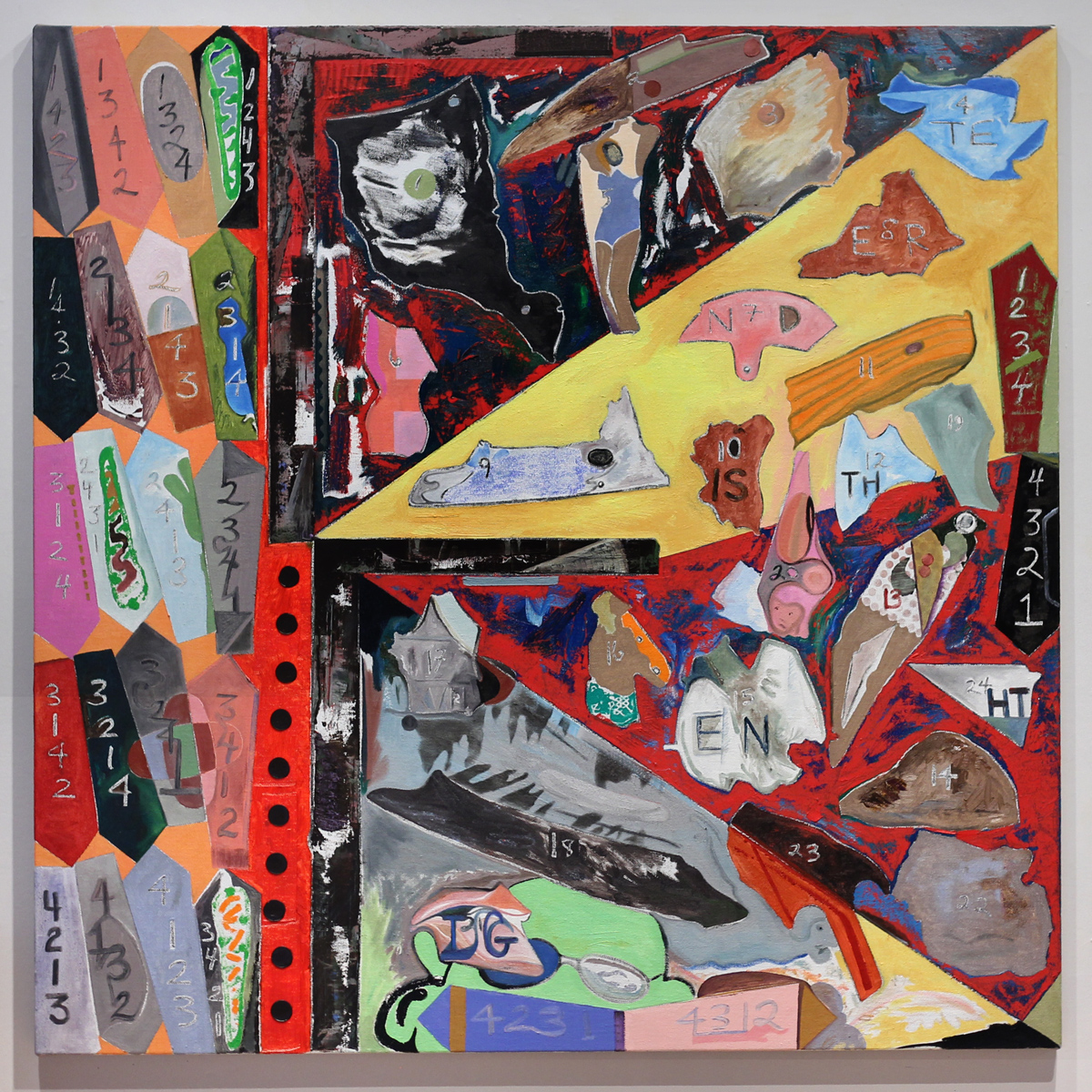
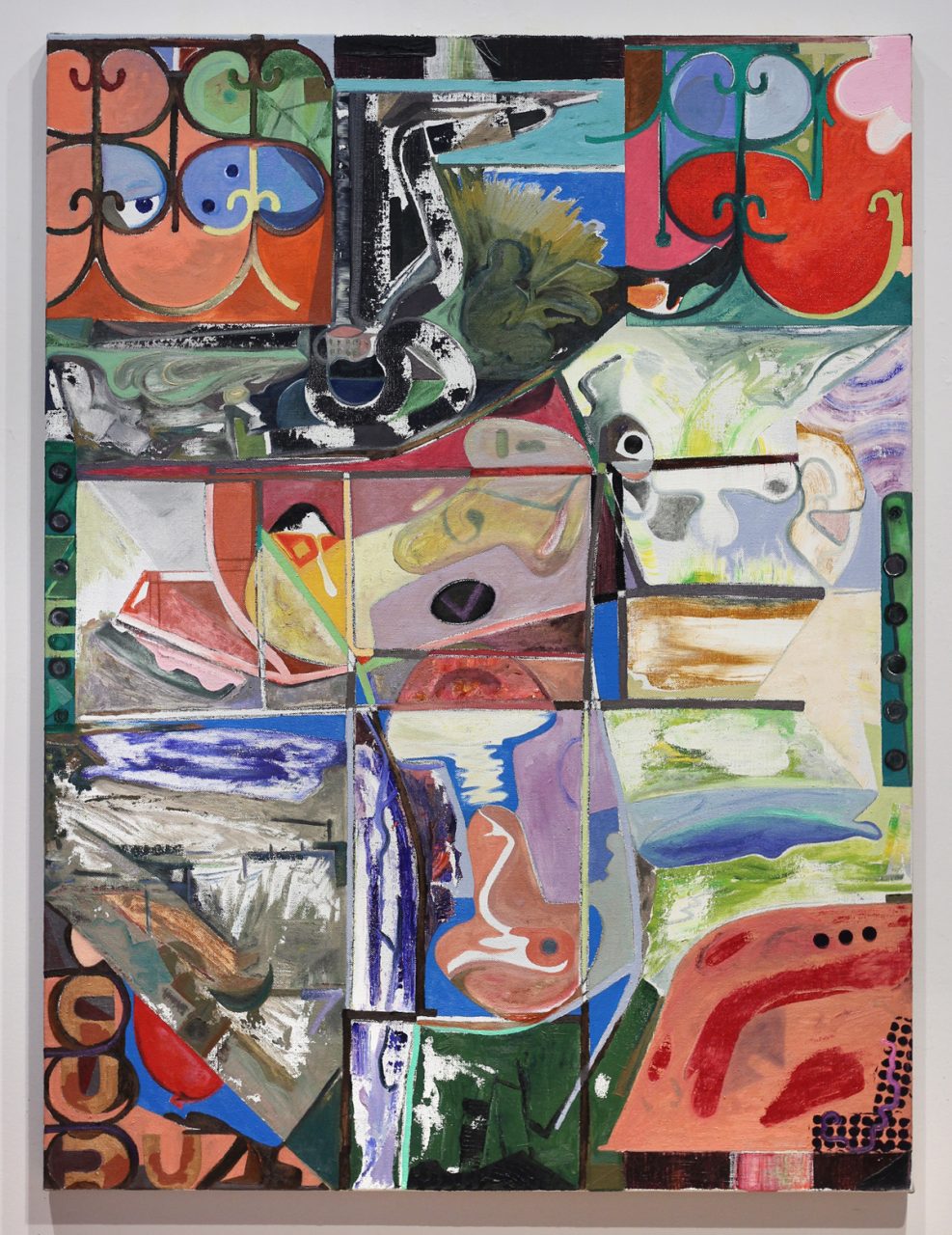
The paintings included in “Strange Vacation” are not planned, per se, rather they accumulate over time, combining both text, image, pattern, abstraction, and colour. They are generous visual journeys that encourage slow, intentional looking. Love thinks of his paintings as images that are constructed, where familiar images, numerical patterns and acrostic word squares creep into the paintings, which prompt other ideas through associative thoughts. Shapes emerge from scraps on his studio floor and colours are applied according to the spectrum, creating a new language every time for Love to riff off of.
Love states “you can only see what you are looking at”. His job as a painter is to look at everything, to “snoop” around the image and create a joyous experience for all of us. They are paintings with a capital P; paintings that reward the act of looking and engage in the curious among us.
Craig Love “Strange Vacation”:
Always fast to start, but often slow to close, these twelve paintings continue working through their own issues, often grousing in public. Some have taken the better part of 3 years to resolve others four weeks. They are improvisations upon a structure that is also arrived at in the spur-of-the-moment. The mainstay or foundation of all this aesthetic activity is the continuum of Painting itself. I am trying to make paintings that amplify a well-intentioned uncertainty. The paintings aim at making you aware of your own thinking. The act of looking seems like a strange sort of vacation from yourself, but you remain bodily active and mentally persistent. No matter how much you give over to the space of the painting, you’re still you. Inescapably you. Luckily, I am not willing to tell you what to do. My desires would be, at best, anecdotal and even though our culture seems to place importance on these aspects I prefer to let the works elicit their own responses. Hopefully, if I have done my job well, viewers will be curious enough to come back and allow the paintings to take them places.
Any kind of explanation of what I’m doing is another whole artwork, perhaps the next painting will deal with unresolved issues. I think that is what is, a groping at meaning not the presentation of meaning. I keep chasing my own thoughts and watch them adapt, transform and careen out of reach. The work has everything to do with the unchanging change of everyday complication that we call life.
I am primarily interested in the image as a structure, not as a picture per-sé. (A structure that I can hang paint on via different improvisations). It may turn into a picture eventually, but that’s a collateral benefit. In these paintings the drawings are the structure, not unlike an architectural plan. I make the drawings to explore; the work is very simple in this regard. This idea of filling-in discrete zones with information is key. Oftentimes it feels like Horror Vacuui cloisonné work, making a crazy quilt or a Buddhist Kāșāya or rag robe. Disparate things coming together.
For the most part the drawing remains visible at all times. I paint up to and around but not over the lines. So, I try to keep all my actions visible, like you can trace your way back to zero or the original blank canvas. Perhaps I have a guilty conscience or have read too many murder mysteries. The drawing made me do it.
The thing people probably take issue with most in my work is its slowness. If you want anything to happen (connections made in any comprehensive sense) it will take quite a bit of time and effort. So, a viewer has to really want to spend time building a relationship with the work, form a commitment or kind of habit. There is very little in the way of immediate gratification. This is not directional signage. The relation to time is important. Looking at paintings can seemingly lengthen shorter days.
Craig Love, May 2026
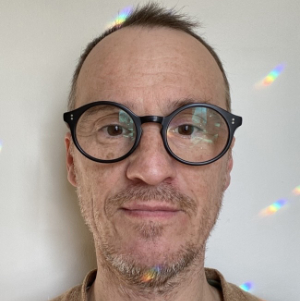 Born in 1975 in Winnipeg, Craig Love is a visual artist whose primary concerns are painting and text. His paintings aim at being associative springboards or poignant diversions for the everyday problems of being. Of particular interest is the propensity for how painted and written languages find their resting state nestled uncomfortably amongst approximation and abstraction.
He was educated at the University of Manitoba and Parsons School of Design at the New School in New York City. He has shown his work in many places across Canada, New York, Scotland, Turkey, and France.
He sometimes writes on Art, primarily painting. Love now lives and works in Winnipeg, Canada with his partner Janet and their dog Lu.